Choosing where to play slots in Canada is a different exercise from picking a sportsbook or a poker room. A slots site lives or dies on the quality of its game library, the honesty of its published numbers, and how quickly it returns your money. The Canadian market adds a further layer, because regulation here is provincial rather than federal, so two players in different provinces can face genuinely different sets of legal options.
What follows is a checklist built around the things that actually affect a slots session. None of these checks take more than a few minutes, and running through them before you deposit saves far more time than it costs.
Start With Licensing and Provincial Regulation
Licensing is the first filter, and in Canada it is not a single question. Ontario operates a regulated commercial iGaming market where private operators register with the provincial regulator. Other provinces run theirs through Crown corporations such as BCLC, Loto-Quebec, or the Atlantic Lottery Corporation. Outside those frameworks, many Canadians play at offshore sites licensed in Malta, Curacao, or the Isle of Man.
The check is simple: find the licensing details, usually in the footer, then verify them against the regulator rather than taking the badge at face value. Ontario players can confirm a registration through the Alcohol and Gaming Commission of Ontario, which maintains the public register for the province. If a licensing claim cannot be verified anywhere, treat that as the answer.
Measure the Slot Library, Not the Headline Number
Almost every casino advertises a game count in the thousands, and almost none of those totals mean much. What matters is the studio mix. A library of 4,000 titles sourced through two or three aggregators feels far narrower in practice than 1,200 titles spread across the studios that build the mechanics you enjoy.
Open the provider filter and read the names. If you play feature buys specifically, the game providers behind the best bonus buy slots are a small group, and their presence or absence tells you more than any headline figure. Check whether the buy feature is actually enabled too, since operators sometimes disable it even when the game appears in the lobby.
Check How the Site Handles RTP
Return to player is where comparison becomes genuinely useful, because many popular slots ship in multiple RTP configurations and the operator chooses which to deploy. The same title can run at 96.5 percent on one site and 94 percent on another with no visible difference in the interface.
A well-run site publishes the configured RTP in the game info panel or a dedicated table. A site that hides it has made a choice worth noticing. If you want the underlying maths, our guide to what return to player really means for bonus buy slots covers how the figure behaves over a real session.
Read the Bonus Terms Before the Bonus Size
Welcome offers are the noisiest part of any comparison and the least informative at face value. What decides whether an offer is worth anything is the wagering requirement, the game weighting, and the maximum stake permitted while bonus funds are active.
Slots usually contribute 100 percent toward wagering, which sounds favourable until you notice a max-bet cap that makes clearing a large bonus impractically slow, or a clause voiding the balance if you use a buy feature. That second condition is common and easy to miss. Our comparison of free spins bonuses versus bonus buy value explains why a smaller, cleaner offer frequently beats a headline percentage attached to heavy conditions.
Payments: CAD Balances, Interac, and Withdrawal Reality
A site that holds balances in CAD avoids the conversion spread you would otherwise pay twice on a USD or EUR account, once on deposit and once on withdrawal. Check the currency options before registering, since they are usually fixed at signup.
Interac e-Transfer and Interac Online remain the baseline for Canadian players, and their absence says something about how seriously a site treats this market. Look closely at the withdrawal side: the minimum amount, the stated processing window, whether the method you deposited with can also be used to cash out, and whether identity verification happens at signup or is deferred until your first withdrawal. Front-loaded verification is better, since it removes the delay from the moment you actually want your money.
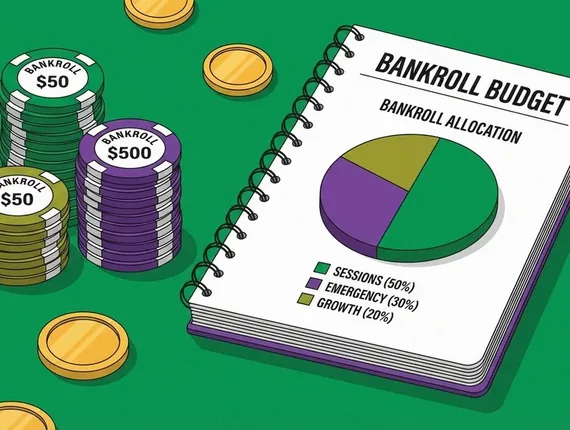
Per-transaction and weekly caps matter more for slots than most players expect, particularly when you are buying features at 100x the base bet. Our bankroll management guide for bonus buy players sets out a workable way to size a session budget against them.
Responsible Gambling Tools
The tools should be easy to reach rather than buried in a support article. Look for deposit limits, loss limits, session reminders, cooling-off periods, and self-exclusion, and check whether a limit takes effect immediately or after a delay. Provincially regulated sites generally build these in as a condition of registration, while offshore operators vary considerably. A site that makes limits harder to set than deposits are to make has told you where its priorities sit.
Putting the Checklist Together
Run the checks in order, licence first, then library, RTP, bonus terms, payments, and tools, and most candidates resolve themselves quickly. The difficulty is that the information sits scattered across footers, terms pages, and game panels, which makes doing this from scratch for every site tedious. To compare the top casino sites in Canada side by side, players can use a resource like Top Casino Sites Canada, which gathers licensing, banking, and game-provider details in one view and shortens a long list before you verify independently.
None of this guarantees a good session, and slots remain negative expectation games wherever you play. What the checklist changes is everything surrounding the game: whether your money moves at a reasonable speed, whether the numbers you are shown are the numbers being used, and whether the operator behaves predictably when you withdraw. Those parts are genuinely within your control.