Volatility is one of the most important concepts to understand when playing bonus buy slots. It determines how often you win, how much you win, and how your bankroll will fluctuate during a session. Misunderstanding volatility is one of the most common mistakes bonus buy players make.
What Is Slot Volatility?
Volatility, sometimes called variance, describes the risk profile of a slot game. Low-volatility slots pay out frequently but in smaller amounts. High-volatility slots pay out less often but can deliver much larger wins when they do. Most bonus buy slots fall into the medium-high to extremely high volatility range.
Think of it like this: a low-volatility slot is like a steady paycheck, while a high-volatility slot is like freelance work - some months are great and others are lean, but the average over time can be similar.
How Volatility Affects Bonus Buy Results
When you buy a bonus on a high-volatility slot, you should expect a wide range of outcomes. Some bonus rounds will pay significantly less than what you paid to enter, while others will deliver returns of 10x, 50x, or even 100x your buy-in cost. The key is that these results balance out over a large number of bonus buys.
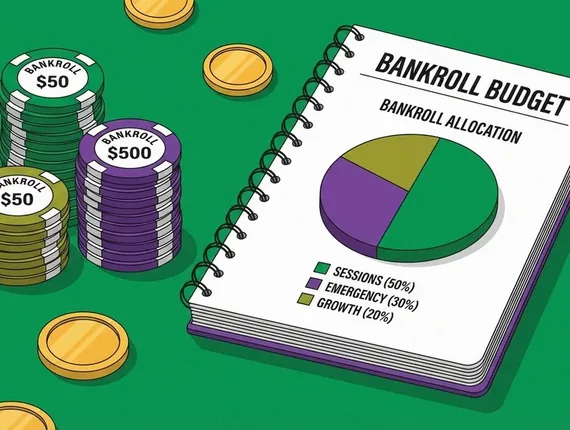
In practical terms, this means you need a bankroll that can withstand several losing bonus buys in a row. If the bonus costs 100x your bet and you have a bankroll of 300x, you might only get three attempts before running out. A more comfortable bankroll would be 1000x or more, giving you enough runway to experience the natural variance of the game.
Reading the Paytable for Volatility Clues
While most slot providers now label their games with a volatility rating, you can also get clues from the paytable. Games with a large gap between the lowest and highest paying symbols tend to be more volatile. Similarly, slots where the maximum win is very high relative to the bonus buy cost (like 10,000x or more) are almost always extremely volatile.
The bonus round mechanics also matter. Features with uncapped multipliers, expanding reels, or unlimited retriggers tend to produce more extreme results than simpler free spin rounds with fixed multipliers.
Managing Expectations
The most important thing is to set realistic expectations. If you buy 10 bonuses on a high-volatility slot, it is perfectly normal for 6-7 of them to return less than what you paid. The potential big wins on the remaining rounds are what keep the RTP balanced. Understanding this prevents frustration and helps you enjoy the game for what it is - an entertainment experience with inherent uncertainty.